India's August rain falls 16% short as El Niño builds
India Meteorological Department data show the seasonal monsoon deficit widening to 14%, with Kerala hit by deadly floods despite a dry season overall.
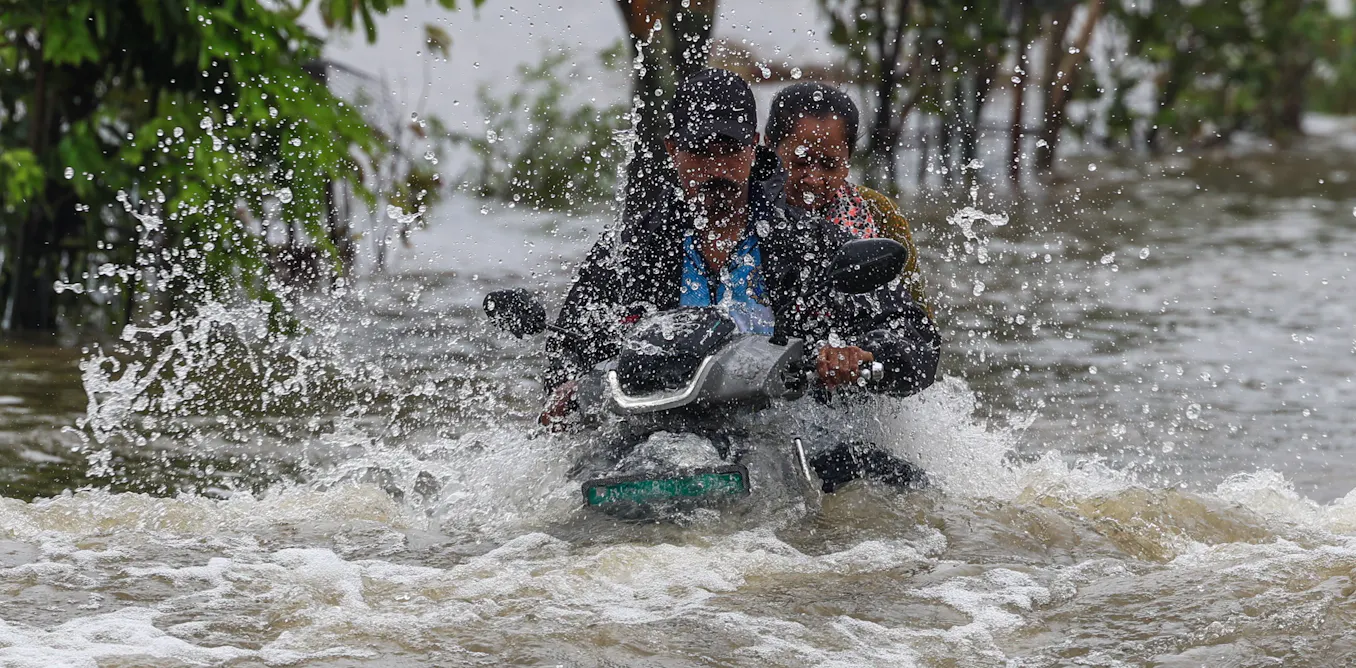
A dry season with deadly floods
India's monsoon has delivered less rain than normal this year while still producing severe floods and landslides, according to The Conversation. In the southern state of Kerala, devastating flooding occurred even though the season's rainfall remained well below average.
The publication reports that Kerala received around 22% less rain than normal between June 1 and August 5 2026. Yet in the single week from July 30 to August 5, the state received more than double its usual rainfall.
That intense spell triggered flooding and landslides. By August 5, 26 people had died in monsoon related incidents across Kerala, The Conversation reports.
A weaker monsoon does not mean an absence of extreme rain. Rainfall can be highly uneven, with long dry spells broken by intense cloudbursts.
The national rainfall picture
The India Meteorological Department, the country's national weather service, was already expecting a weaker than usual season before the monsoon began, partly because of the anticipated development of El Niño. Its first long range forecast in April predicted June to September rainfall at around 92% of the long term average.
Rainfall has broadly followed that below normal outlook, with considerable swings. By mid June, rainfall across India was nearly 40% below normal, before several active monsoon spells reduced the deficit.
The Economic Times, citing department data compiled on Monday, reports that August rainfall came in 16% below average, its lowest in three years, widening the seasonal deficit to 14%. It puts the deficit at 13% at the end of July, while The Conversation describes cumulative rainfall as around 12% below average nationally by early August.
El Niño in the Pacific
El Niño is a state of the tropical Pacific Ocean in which certain parts are warmer than usual. El Niño years are often associated with weaker Indian monsoon rainfall, while La Niña, the opposite state, tends to favour wetter conditions.
El Niño conditions have developed rapidly in the Pacific this year, and forecasts suggest it could become exceptionally strong, The Conversation reports. The relationship between the Pacific and the monsoon tends to become stronger later in the season, which the publication says could matter for hundreds of millions of people across India.
The sources do not give a forecast for any specific day or place. They also do not say how strong El Niño will ultimately become, when it might peak, or whether the rest of the monsoon will bring further deadly rainfall. Those questions are not yet answered.
More from Donator TRENDS
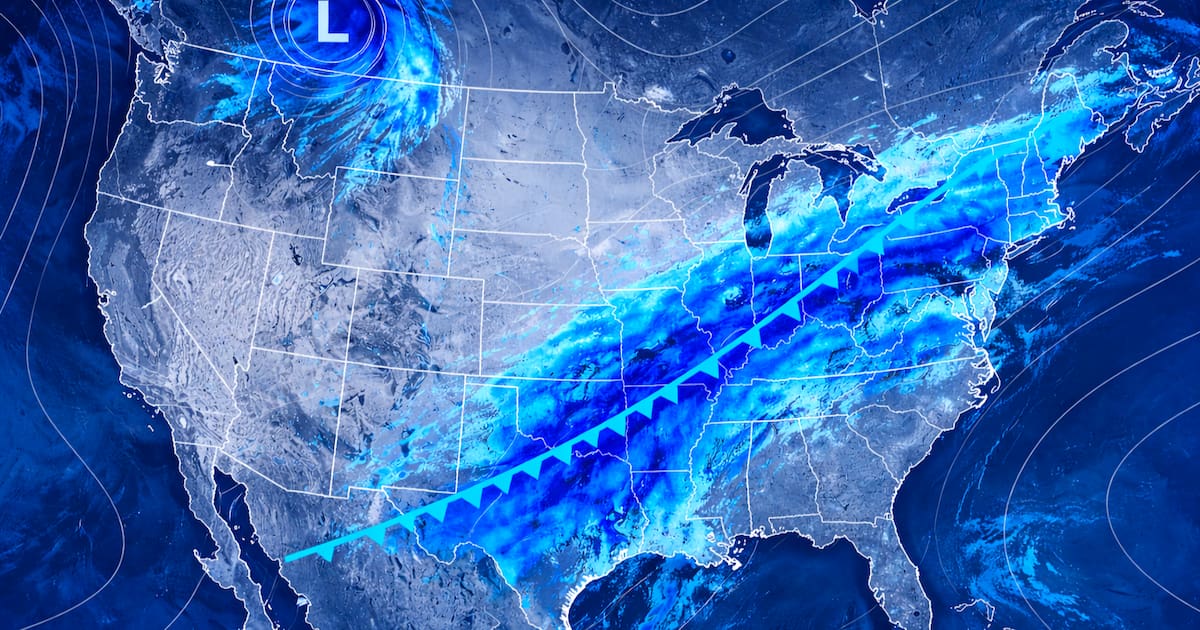
NWS warns of unusual October weather: Heat, heavy rain, and cold front
The National Weather Service forecasts a mix of unseasonably warm temperatures, heavy rainfall, and a cold front across the U.S. this week.
Weather
Nor'easter Brings Coastal Flood Threat to East Coast
A strengthening nor'easter threatens coastal flooding and wind from North Carolina to New England this weekend.
Weather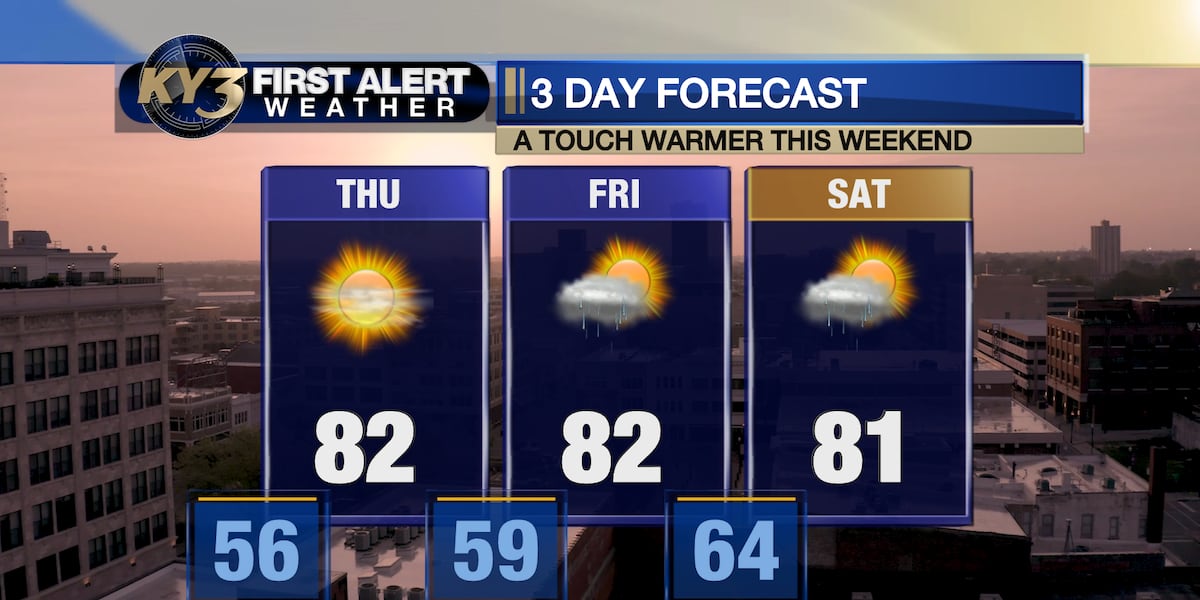
Slightly Warmer Weather Expected for the Week
A brief warm spell is set to continue this week, with a chance of showers in the northwest Ozarks.
Weather
Tropical Low Approaching Bengal Coast, Causing Sea Level Rise
A low-pressure system is moving towards the coast, prompting warnings for maritime activities.
Weather
Montana Experiences Scattered Showers on First Day of Fall
Bozeman, Butte, Dillon, and West Yellowstone face mild temperatures and scattered rain showers today as a weak weather system moves in.
Weather
IMD Warns of Thunderstorms and Heavy Rain in India
IMD forecasts renewed storms and heavy rain across several states through mid-September amid new low pressure systems.
Weather